
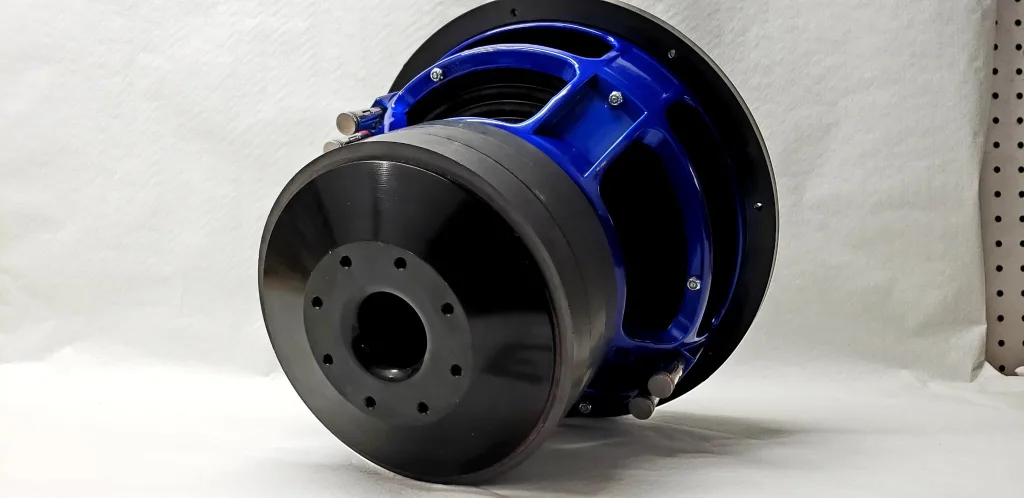
If you’ve ever shopped for a subwoofer, you’ve seen the specs: RMS power, peak power, max power—numbers that can leave even experienced enthusiasts scratching their heads. Understanding RMS vs peak power car audio subwoofer ratings isn’t just technical jargon; it’s the key to building a system that performs reliably without blowing your investment on the first bass drop.
What RMS and Peak Power Actually Mean
Let’s cut through the marketing hype and get to what these numbers represent. RMS (Root Mean Square) power is the continuous power your subwoofer can handle over extended periods without damage. Think of it as your sub’s working capacity—the power it can process hour after hour during your daily commute or at a competition.
Peak power, on the other hand, measures the maximum power your subwoofer can handle in short bursts, typically for just fractions of a second. While impressive-sounding, peak power ratings are often double or even triple the RMS rating, making them a favorite for misleading marketing claims. When comparing RMS vs peak power car audio subwoofer specifications, RMS is always the number that matters for real-world performance.
Why RMS Power Should Guide Your Buying Decision
When you’re investing in quality gear—whether it’s a hand-built subwoofer from EM Audio or any serious car audio component—RMS ratings tell you the truth about what that equipment can actually do. An amplifier rated at 1,000 watts RMS will deliver consistent, clean power that your subwoofer can convert into tight, controlled bass. That same amp might claim 2,000 watts peak power, but you’ll never sustain that output.
Here’s the problem with focusing on peak power: it creates unrealistic expectations and leads to mismatched systems. If you pair a subwoofer rated for 500 watts RMS with an amplifier that claims 2,000 watts peak (but only delivers 400 watts RMS), you’ll wonder why your system sounds underpowered. The peak numbers looked impressive, but the RMS reality falls short.
Smart enthusiasts know to match their amplifier’s RMS output to their subwoofer’s RMS handling capacity. This creates a balanced system where every component operates efficiently within its design parameters, delivering the performance you paid for.
How Manufacturers Use These Ratings (And Sometimes Abuse Them)
The car audio industry has a complicated relationship with power ratings. Reputable manufacturers like EM Audio provide honest RMS specifications because they stand behind their products with real-world performance. Their USA-made subwoofers list conservative RMS ratings that you can actually use when designing your system.
Unfortunately, not every brand operates this way. Budget manufacturers often emphasize peak power in bold font while burying RMS ratings in fine print—or omitting them entirely. You’ll see subwoofers advertised as “3,000-watt subs” when the actual RMS handling is closer to 750 watts. These inflated numbers might look good on a product listing, but they won’t help your system perform.
When evaluating RMS vs peak power car audio subwoofer specifications, look for brands that prominently display RMS ratings and provide detailed specifications. This transparency indicates a manufacturer confident in their product’s actual capabilities rather than one relying on marketing tricks to make sales.
Building a Properly Matched System
Now that you understand the difference, let’s talk about putting this knowledge to work. Your goal is matching your amplifier’s RMS output to your subwoofer’s RMS power handling, ideally within 75-100% of the sub’s rating. This range provides optimal performance without risking damage.
For example, if you’re running a subwoofer rated for 1,000 watts RMS, you want an amplifier delivering between 750-1,000 watts RMS at your subwoofer’s impedance. This pairing ensures your sub receives adequate clean power to reach its full potential while staying within safe operating limits.
Don’t forget about impedance in this equation. An amplifier might produce 500 watts RMS at 4 ohms but jump to 1,000 watts RMS at 2 ohms. Make sure you’re matching the RMS power at the actual impedance your subwoofer presents to the amplifier. Wire your voice coils correctly, verify your final impedance load, and then confirm your amp’s RMS output at that specific impedance.
Testing and Tuning Your System Safely
Once your system is installed, proper tuning ensures you’re using that RMS power effectively. Start with your amplifier’s gain set low, then gradually increase it while playing music with good dynamic range. Use your ears and watch for signs of distortion—when the bass starts sounding harsh or unclear, you’ve gone too far.
A multimeter or oscilloscope can help you set gains scientifically by measuring actual voltage output, but many enthusiasts achieve excellent results by tuning carefully by ear. The goal is reaching your amplifier’s clean RMS output without pushing into clipping, which generates distorted signals that damage subwoofers far faster than clean power ever could.
Make Your Next Build Count
Understanding RMS vs peak power car audio subwoofer ratings separates successful builds from disappointing ones. When you focus on RMS specifications, you make informed decisions that lead to systems delivering real performance, not just impressive numbers on paper.
Ready to build your system on a foundation of honest specifications and USA-made quality? EM Audio’s performance subwoofers provide the reliable RMS ratings and hand-built craftsmanship that serious enthusiasts demand. Check out our complete line of subwoofers, amplifiers, and accessories designed for car audio enthusiasts who refuse to compromise on quality.